 Sehmbi
Acting · Modelling · ProductionLondon
Sehmbi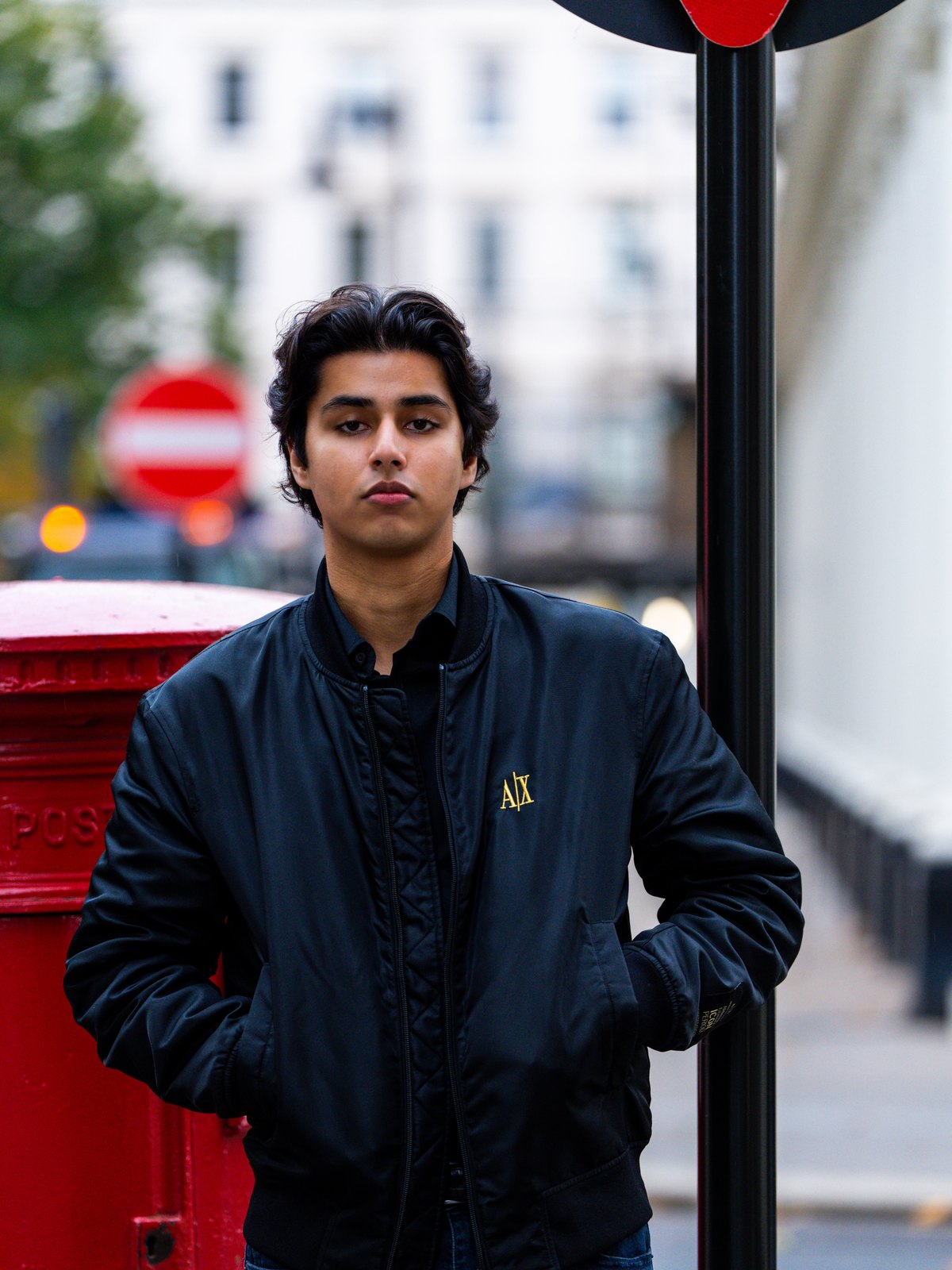
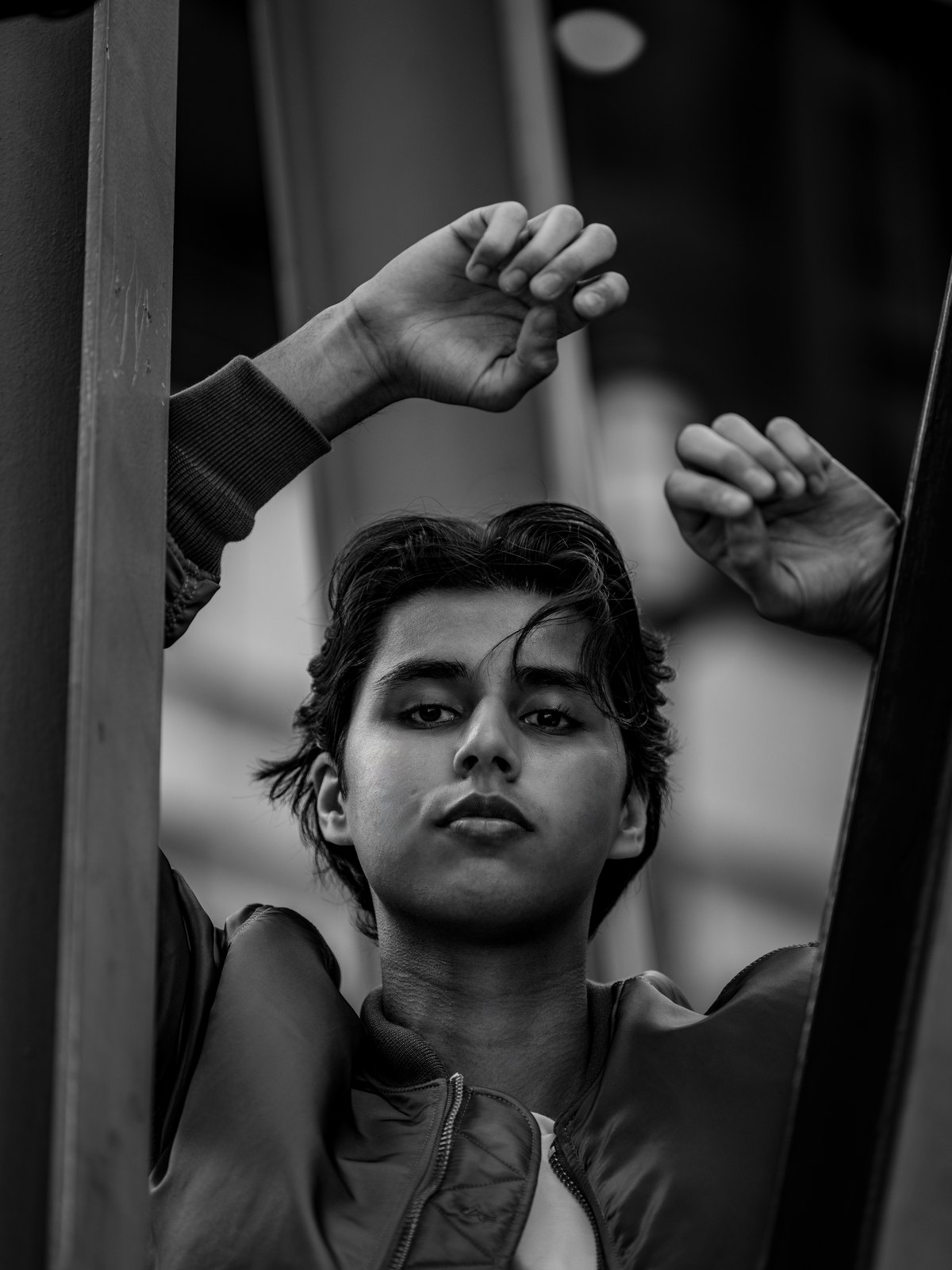
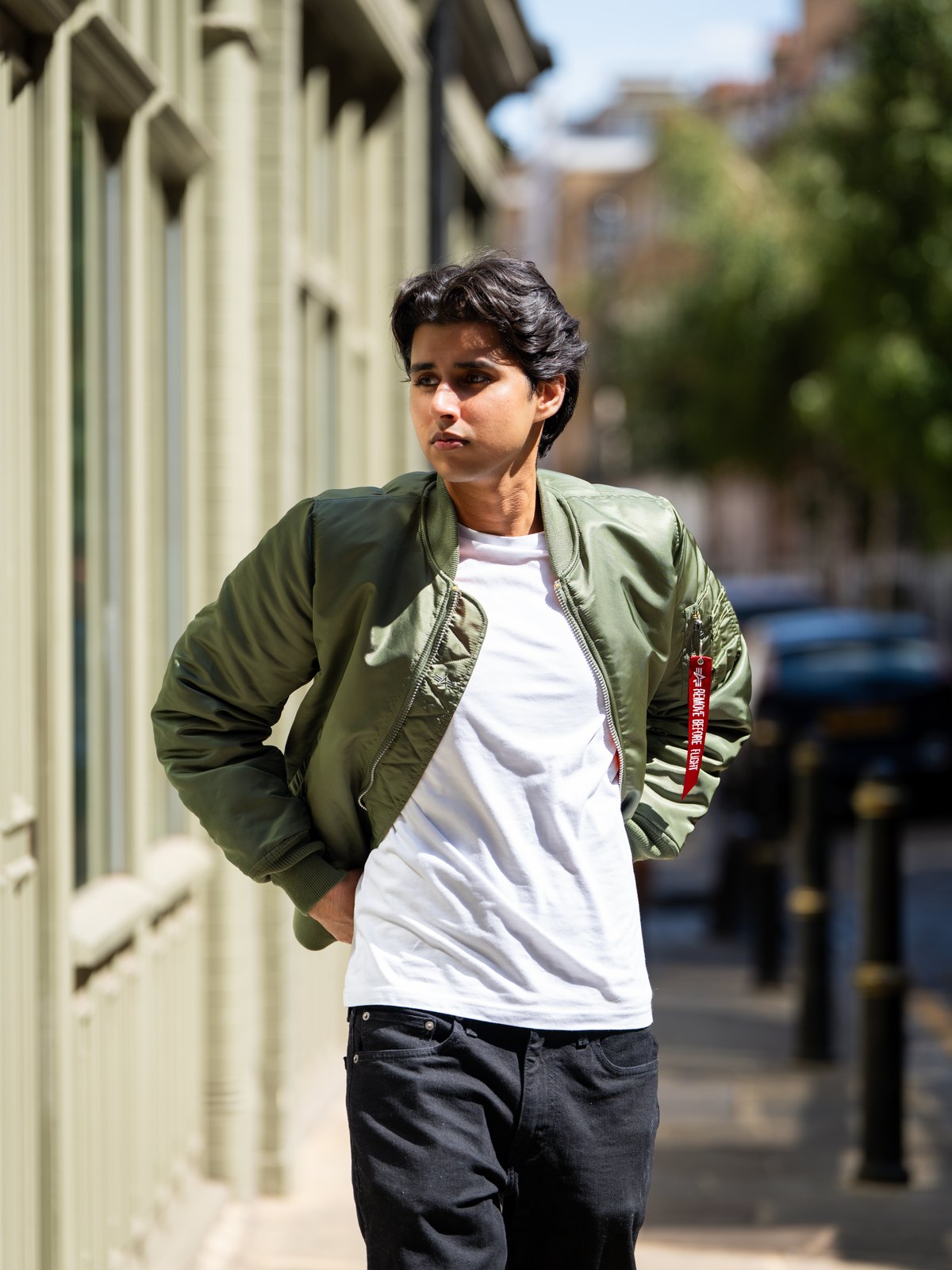
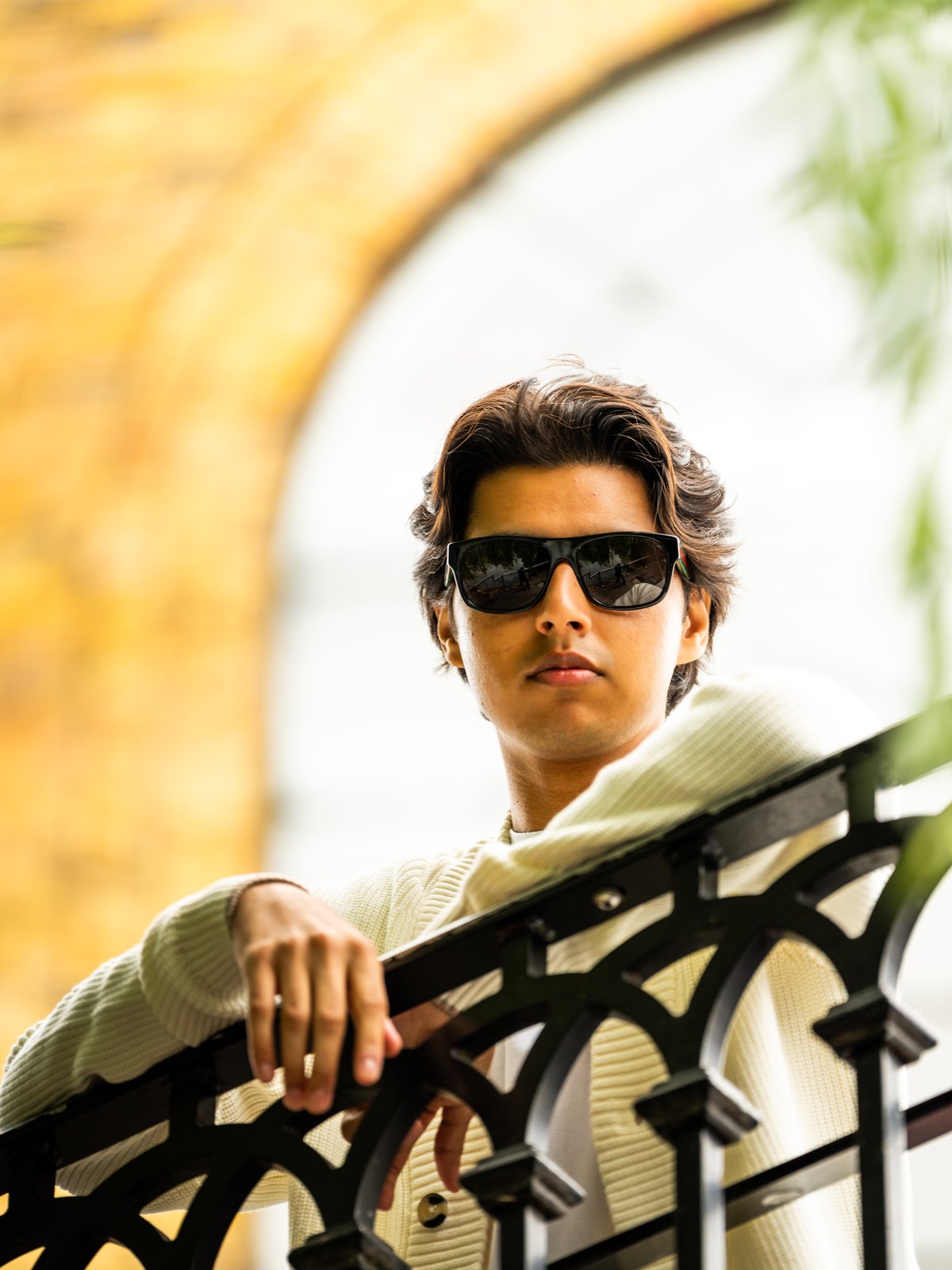
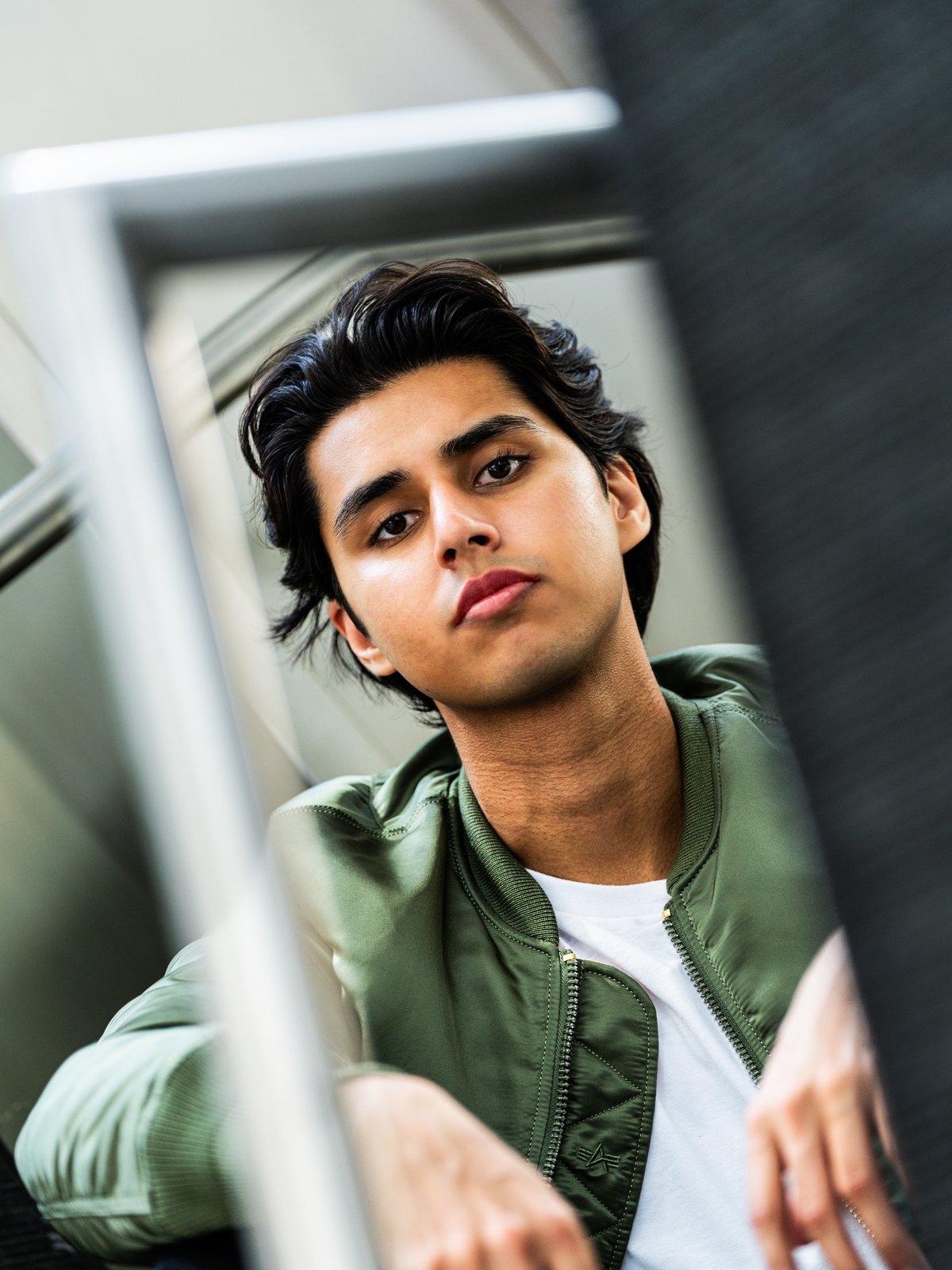
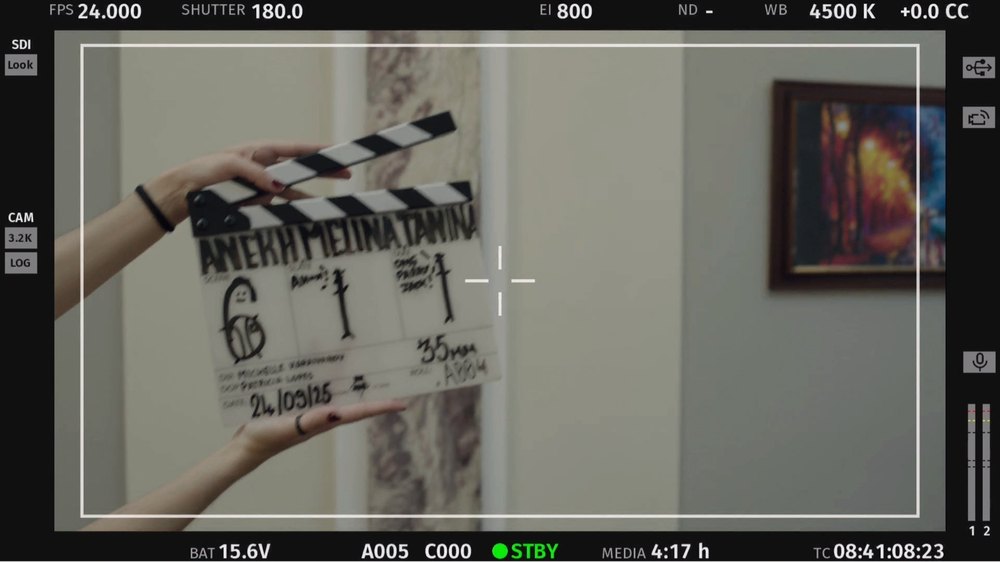
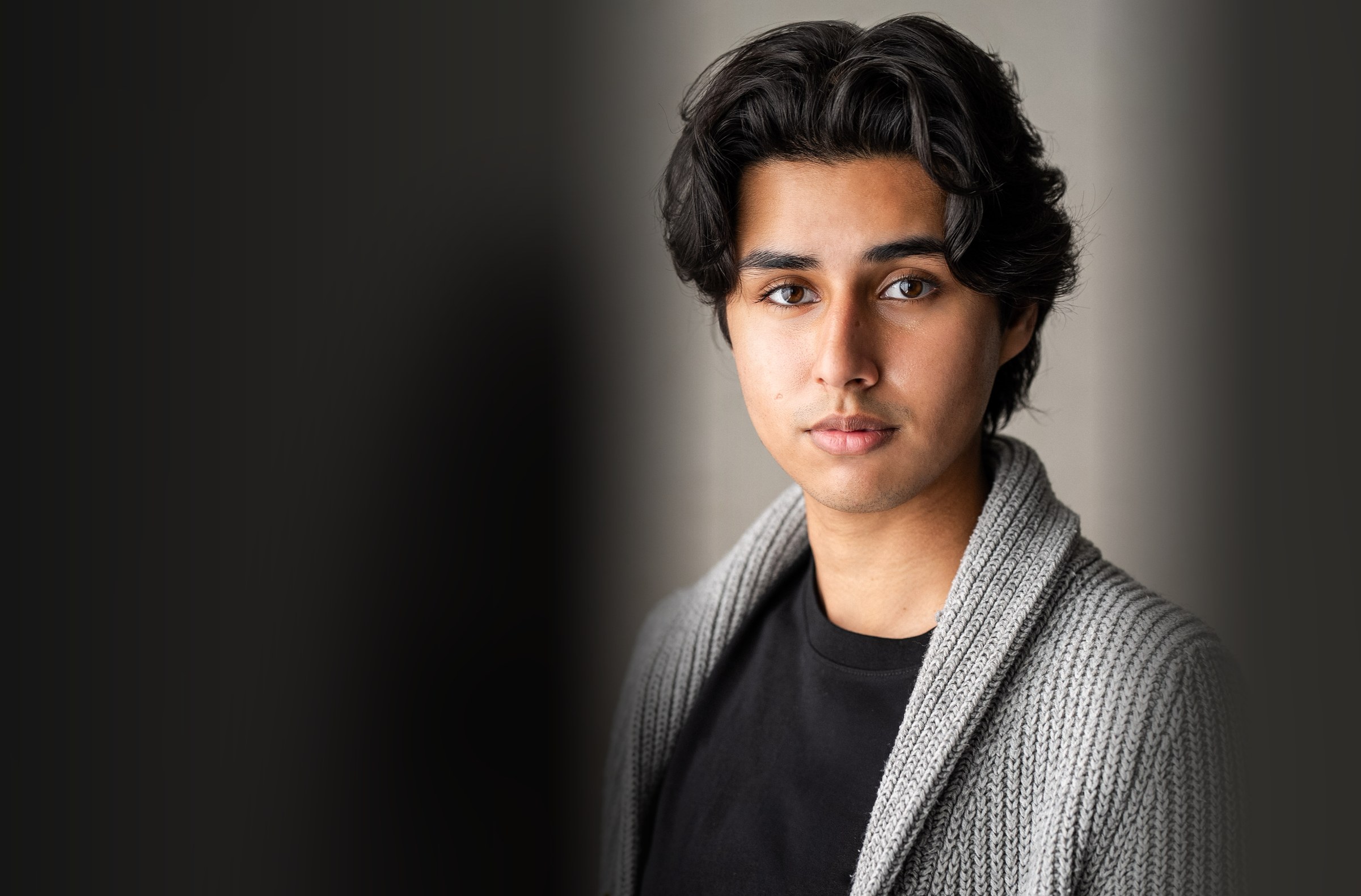
I've wanted to be in front of a camera telling a story since I was eight, and pretty much everything I've done since has found its way back there.
I'm an actor based in London, with work that also crosses modelling, filmmaking, and broadcasting. They can look like quite separate things on paper, but to me they're all connected by the same thing…
Understanding how to tell a story to an audience and what makes it believable on screen.
I first started by performing in school plays and making my own YouTube channel. Obviously at eight there wasn't a production team, so I worked out the story, wrote it, filmed and presented it, and then edited the whole thing myself. It taught me far more than I realised at the time… how to talk naturally to a camera when nobody is standing behind it, how quickly an audience switches off when something isn't working, and how an idea actually gets from a script to a finished piece.
Most importantly, it confirmed which side of the camera I wanted to be on.
I realised acting is the part I connected with the most. I started training at LAMDA in 2018, later trained at City Academy and completed the Diploma of Screen Acting at the Actors Studio at Pinewood Studios. I went back a second time deliberately to get more time training on camera and get further experience of working on scripts, character breakdowns and reinforcing acting techniques.
After training, I played Mr. Black, the lead in Lunch Hour, directed by Daniel Connell for Novavision Studios. It screened as part of Raindance's 48 Hour Film Challenge at VUE Piccadilly, which I'm so grateful for.
What keeps pulling me towards acting is that a completely fictional character can still make somebody watching recognise something of themselves. It shows people that no matter what you are going through or how alone you feel, you can always find that someone has been through something similar and find that connectivity and reach to make you feel better.
At the same time, I wanted to understand what was happening on the other side of the lens.
I completed a BA (Hons) in Film & Television Production at the University of Greenwich and have worked across locations, camera, directing and post-production, from independent shorts through to working as a location marshal on Amazon Prime Video's Tom Clancy’s Jack Ryan: Ghost War. These experiences across both types of sets have changed the way I am as an actor. I am more aware of framing, what the HODs may be trying to solve, and how I can play more towards the camera for emotion to be seen, even if it feels slightly unnatural.
Even modelling fits into this. I'm still early in it, but being comfortable with a camera, understanding lighting and framing, and being able to take direction all come from the same background, and end in the same place, telling a story even just through pictures.
The one part that can look like the odd one out on my profile is finance, right?
For more than three years I've written research and commentary on business, financial markets and global economics for The Currency Times. I deliberately learned the subject rather than simply focusing on presenting it, studying Financial Markets at Yale, Accounting & Capital Markets at Cambridge and two years of Finance & Investment Banking at Greenwich.
That has given me another on-camera stream, broadcast journalism. Instead of just repeating headlines, I want to deeply understand what drives a story, allowing me to explain complex subjects clearly, sharply, and efficiently for an audience.
So, although my work now spans across acting, modelling, production, and broadcasting, I don't really see them as separate careers. For me, it all started with wanting to tell a story in front of a camera. Acting is still the one I pursue most.
My screen work so far has drawn me towards complex characters and scenes rooted in vulnerability. I am particularly fascinated by roles that shift dynamically between different emotional states, whether they are subtly connected or on complete opposite ends of the spectrum.
A big thing I've learned whilst acting is how much happens when you're not speaking. Listening is often more impactful than waiting for my next line, and I feel my work is best when I let go of what I had planned.
That's one of the things I enjoy most about working with other actors. Whilst I do prepare before a scene, I also like not knowing exactly what someone is going to give me and having to respond to it in the moment. Otherwise, it feels very methodical and less natural and authentic.
Between filming I'm watching, practising, self-taping and trying different approaches. Not everything works, and I think that's part of learning. I'd rather find out in rehearsal or on tape that a choice isn't landing, understand why, and try something different rather than try to force a technique.
Away from training and being on set, I've also tried to spend time around the wider film industry. I've attended festivals, screenings and events including Cannes, Raindance and the BFI, partly to meet people, but just as importantly to watch and learn.
Seeing different performances, hearing filmmakers talk about their work and watching how audiences respond to different characters has helped shape my own instincts as an actor. It's also given me a better sense of the kind of performances I'm drawn to and the sort of work I'd build towards.
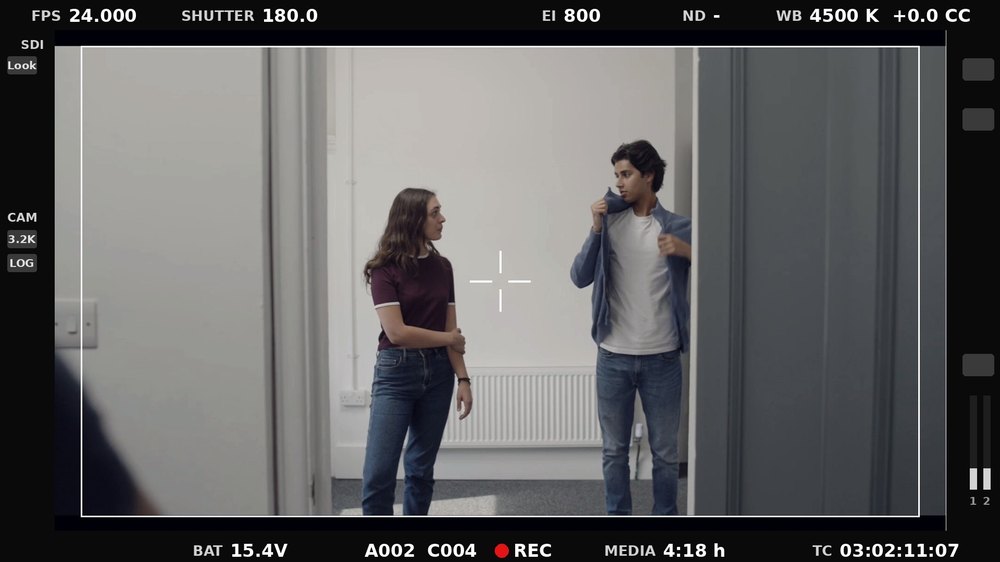
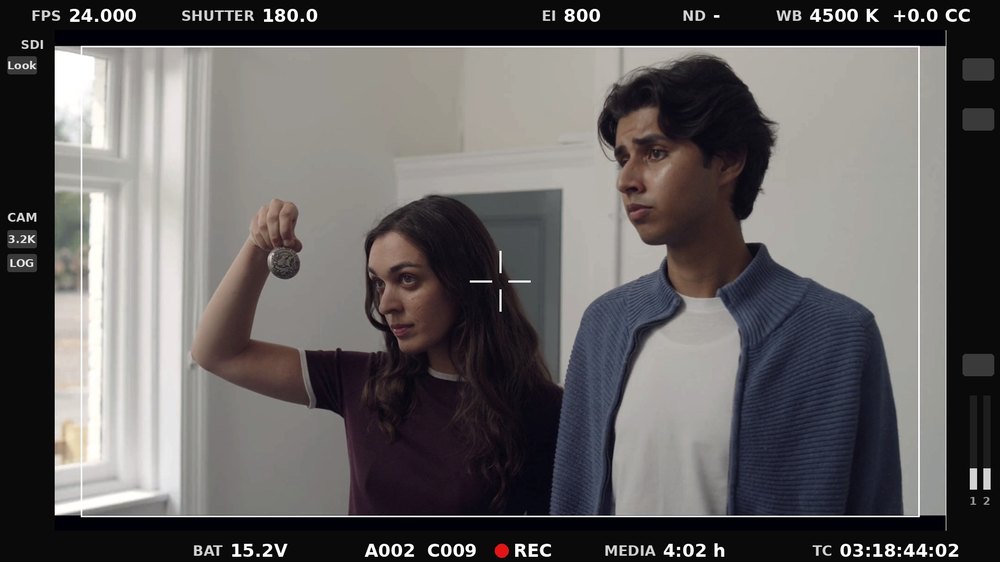
Spotlight performerWorking alongside Sakira, who played Priya, and the brilliant crew on Separation, was an absolute highlight. Filmed at Pinewood Studios, my role as Josh thrived on our natural off-camera chemistry, which allowed our scenes to feel entirely organic and heavily improvised. Our dynamics on set naturally ranged from playful bickering to chaotic physical comedy.
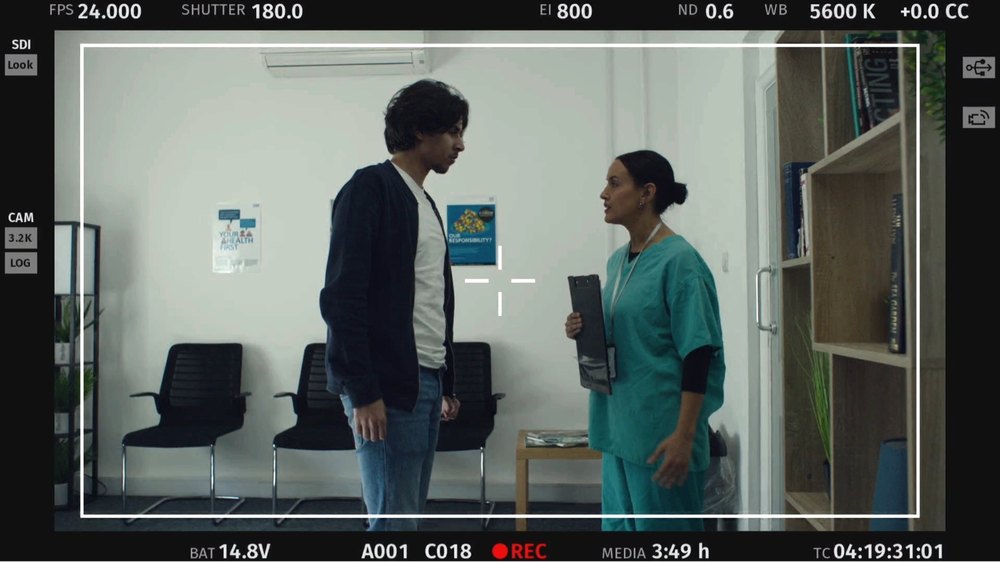
Watch Separation in full →Waterloo Bridge pushed me in a completely new direction as a distressed son who had suffered a tragedy. Michelle, who wore dual hats as our writer and director, challenged me to explore uncharted emotional territory: navigating a sharp shift from intense anger and fear into absolute vulnerability.
Watch Waterloo Bridge in full →Shooting Circle Closing In was so much fun. It essentially let me play a character who is a famous, overemotional singer, navigating all the perks and drawbacks that come with it. Stepping into the role of Perry Jack alongside Michelle as director and our familiar HODs gave me the freedom and confidence to be much more wacky than usual.
Watch Circle Closing In in full →What surprised me most about modelling was how different it feels to be completely still in front of a camera compared to acting in front of one.
In acting, you have a scene partner, an obstacle, and a clear objective. With a photograph, it's entirely different; the slightest shift in my gaze, posture, or hand placement completely alters the message of the picture. Learning not to overthink those micro-movements has been my biggest breakthrough so far, and it's a lesson I'm actively applying back to my acting.
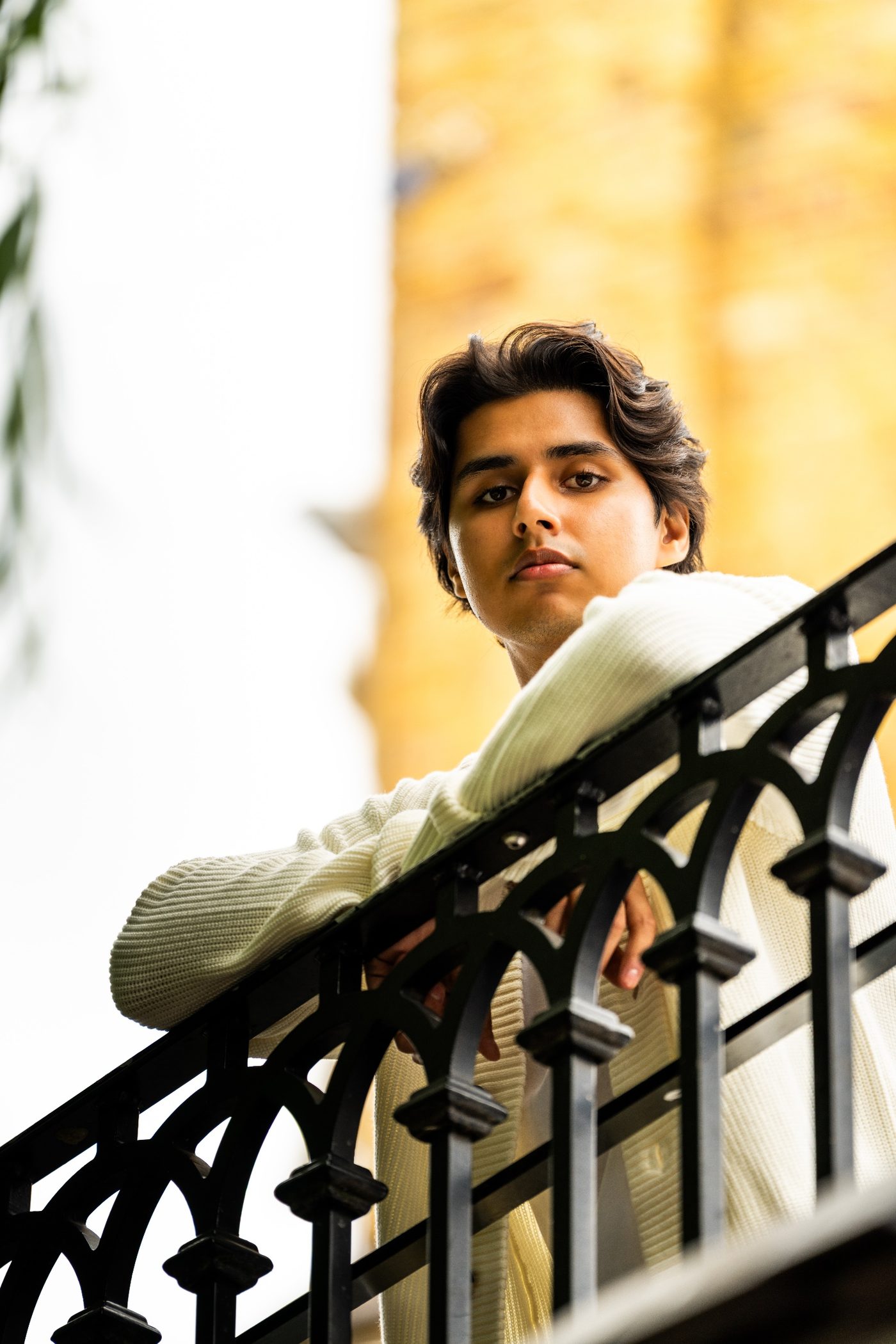
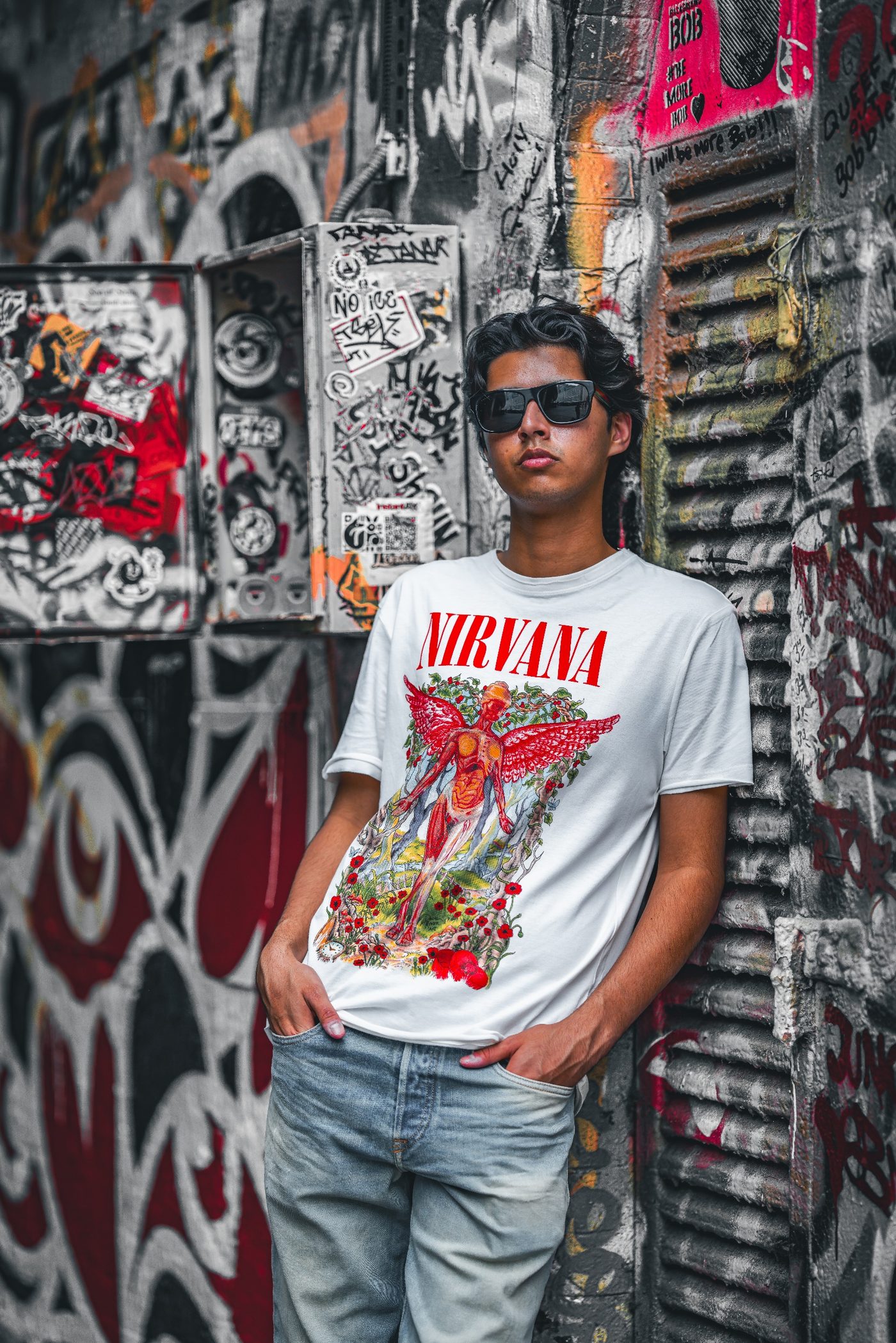
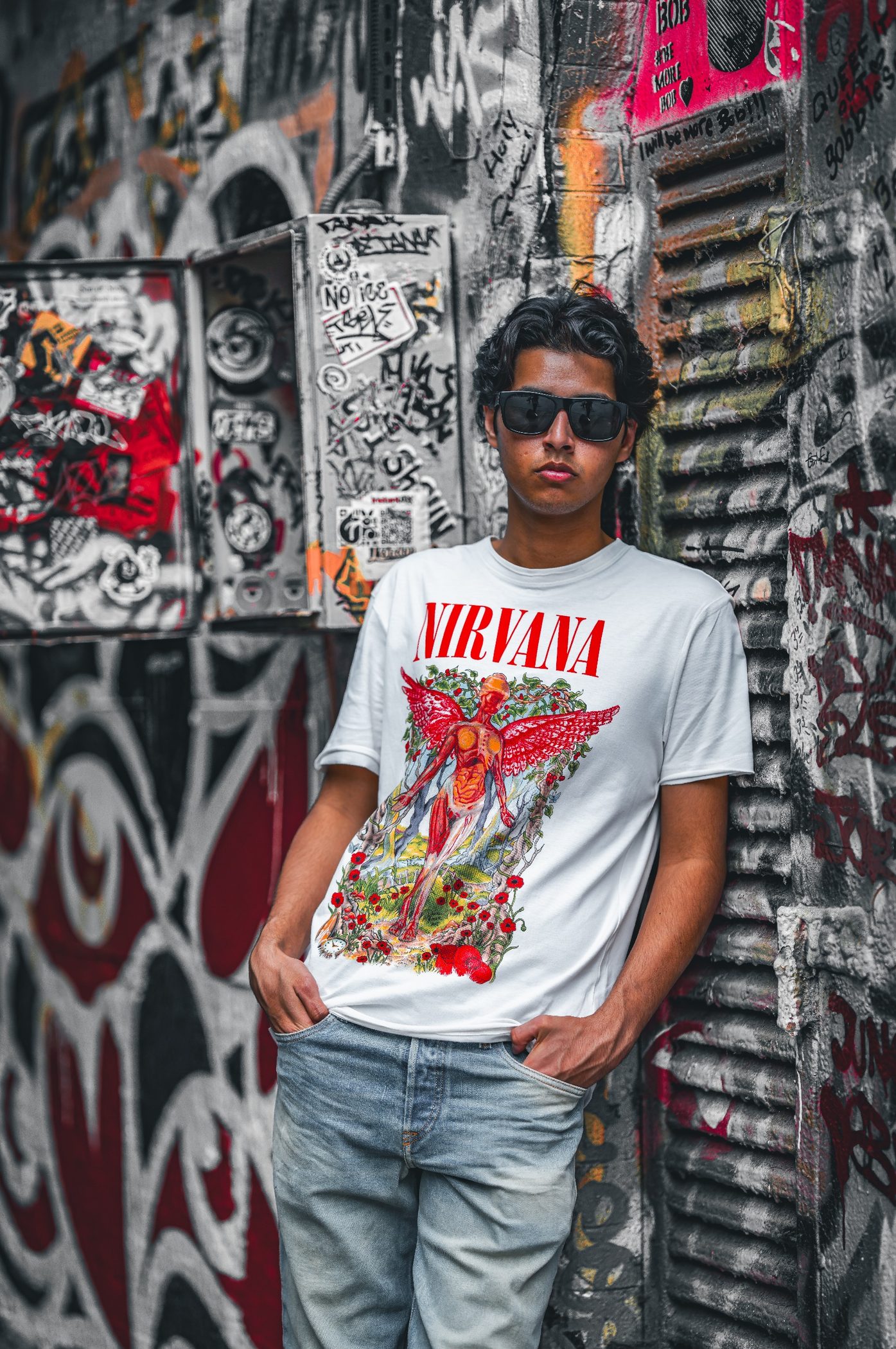
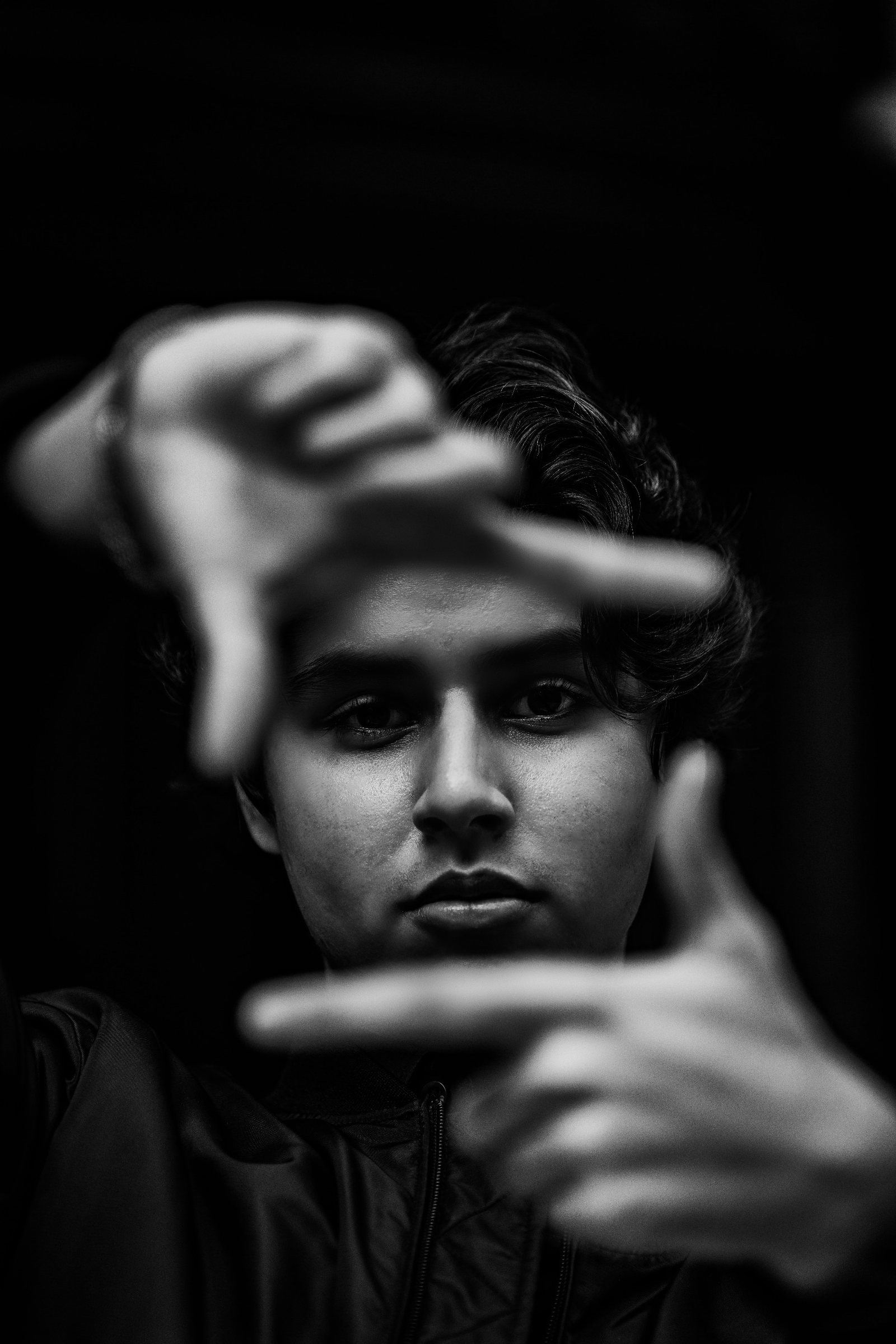
I'm still relatively new to modelling and I've been building an editorial portfolio around London, mostly shooting on location and in natural light, in both colour and black and white.
I gravitate towards imagery with a timeless quality that bridges past eras, the future, and the present. I prefer a photograph that breathes and captures a genuine moment rather than one that feels frozen after holding a rigid pose for twenty minutes.
Achieving that natural look was harder than I initially expected. The more I've shot, the more I've learned to not force it, making subtle changes to give the camera something slightly different to work with in each frame.
I also love the collaboration behind a great image. Because the photographer can see angles and details I can't from where I'm standing, I'm learning to trust the shared process rather than trying to micromanage every shot.
Working behind the camera has given me a deep appreciation for the massive, coordinated effort it takes for everyone else to do their jobs first. The largest production I've worked on so far was Tom Clancy's Jack Ryan: Ghost War for Amazon Prime Video, where I worked as a location marshal. It was an eye-opening experience seeing the scale and discipline of a large set, watching all the different departments sync up and the hundreds of small, invisible details unfold out of sight of the audience. Independent productions operate on a smaller scale, but require the same precision, and I enjoy both equally.
Camera work taught me to pay much closer attention to what is inside the frame, while directing made me realise how vastly two actors can interpret the exact same scene differently. However, editing changed the way I think about film the most. Once you start cutting footage, you realise how much of storytelling comes down to rhythm. A perfectly good shot can be wrong for the sequence, a pause can carry more weight than a line of dialogue, and a moment that felt slow on the day can feel completely alive once it is put together.
Presenting relies on similar instincts but requires a different kind of performance. There is no character to hide behind, you have to sound like yourself and truly understand your subject. I've spent a lot of time presenting directly to camera, scripting my own material, and learning when preparation helps, and when it's better to drop the prep. It's a lesson I try to implement in my acting as well.
Ultimately, the more I work across production, the more valuable it is to understand how all these pieces connect. When I'm in front of the camera, I have a clearer idea of what the crew needs from me, and when I'm behind it, I understand what the performer needs from the space the crew creates.
Broadcasting has always fascinated me because it unites two things I love; storytelling on camera and diving deep into subject research, a dual passion that also directly feeds into my acting. Spending over three years as a research analyst, I absorbed massive amounts of data to pull out the most impactful narrative and find the core of a story.
My academic background in economics and psychology heavily shapes both my research and my on-camera work. Economics helps me understand the structural forces driving businesses, while psychology provides a window into how we react to uncertainty, incentives, pressure, and change, insights that allow me to get much deeper into the characters I play.
Driven to truly master these subjects, I studied Financial Markets at Yale University, Accounting & Capital Markets at the University of Cambridge, and Finance & Investment Banking at the University of Greenwich. The true value for me isn't just the credentials on paper; it is the confidence to step into any conversation with the deep knowledge required to craft the right narrative.
For me, journalism has never been separate from performance. It provides the substance, teaches me how to research and ask sharper questions, and gives me real credibility to bring to broadcasting rather than simply presenting for the sake of being on camera.